
Benefit from High-Availability Public Cloud, Whilst Saving Money Using Your Own Hardware
21 Jan 2026, by Slade Baylis
With more and more people being hit hard by the ever-increasing cost of hyperscaler public cloud offerings – once touted as the future of all IT infrastructure – people are now increasingly looking for different ways to reduce the cost of their systems. Many are even looking back to the past of how things were done and considering using their own hardware again, located onsite. However, in going back to this onsite approach, many of the features and conveniences that public cloud models provided them, are lost.
Not only that, but many of these features and conveniences are not easily available without significant investment and risks to be shouldered. Ensuring that your systems have reliable power and cooling, robust and multi-pathed network connectivity, having the ability to scale up and down easily without committing to long-term purchases of hardware, as well as protections against downtime from typical issues such as hardware failure – all of these are not cheap or easy things to implement from the ground up. They’re also things that organisations have grown accustomed to having, or in some cases, are legally required to have in their industries.
Only a short time ago, one of the most common alternatives to public cloud infrastructure that would have been considered was that of the enterprise hypervisor, VMware. However, with VMware's recent acquisition a few years ago and the subsequent price hikes that continuously followed, this option has unfortunately also become financially unviable for many different organisations - leaving many at a loss without any options for cost-effective and enterprise-grade cloud platforms.
And this is where mCloud comes in. In this month's article, we wanted to touch base on this platform that has specifically been built for this gap in the market, and may actually be a boon to anyone who's been looking for a highly-reliable, enterprise-grade, and fully-featured cloud platform. Reassuringly, the mCloud platform has been built using open-source technologies and is hosted right here within Australian in our Tier IV data centre. More specifically though, we’ll be focusing on one its unique offerings - the ability to save you even more money by allowing one to contribute their own current hardware to this platform.
What is mCloud?
Our mCloud platform is a next-generation cloud platform. It is built utilising open-source technologies, which is extremely reassuring to customers as it allows them to avoid vendor lock-in. In particular, the open-source technologies utilised are OpenStack for the hypervisor, and Ceph for our redundant storage cluster platforms.
OpenStack is an industry-leading open-source cloud platform that provides the reliability of High-Availability (HA) infrastructure, scalability, and security. Ceph is the open-source storage platform that we chose to create our distributed and fault tolerant storage platform, because it allows us to provide multiple different storage clusters depending on the performance required. This can range from bulk SAS clusters, which give customers access to more economical storage for infrequently accessed data or data that needs to be stored long-term, all the way through to fast performing NVMe SSD clusters.
We chose to utilise both of these technologies as a response to the VMware changes and what we saw as an unmet need in the industry - the need for a cloud platform that truly gave customers the flexibility to have full control over their systems without tying them to a particular technology, workflow, or organisation.
When VMware was acquired and instituted their pricing restructure and considerable associated price increases, many organisations were left holding the bag, having to make quick and tough decisions about their IT infrastructure they previously had thought they had solved. Many people used VMware, as it was the only viable enterprise-grade alternative to the hyperscalers - especially for those looking to hosting their own private clouds that couldn’t be hosted on public cloud infrastructure. Micron21 was also in this position, as we had used VMware throughout our own infrastructure, as well as to provide High-Availability (HA) Public and Private Cloud infrastructure to our customers
It’s for that reason that when the VMware acquisition was announced, we made the decision to build an alternative, one that wouldn’t tie our customers to any organisation in particular and at the same time not sacrificing any of the reliability and features that we – and our customers - have grown accustomed to expect.
The unique ability to “Bring Your Own (BYO)” hardware to the cloud
One of the most unique offerings of our mCloud platform was created as a response to what we saw many people struggling with in this post-VMware era. Many organisations found themselves in the position of owning hardware that was being used to host private cloud infrastructure, but being unable to continue with it due to the enormous price increases from VMware. In response to this, we considered what it would take to allow customers to contribute their own hardware to our mCloud platform.
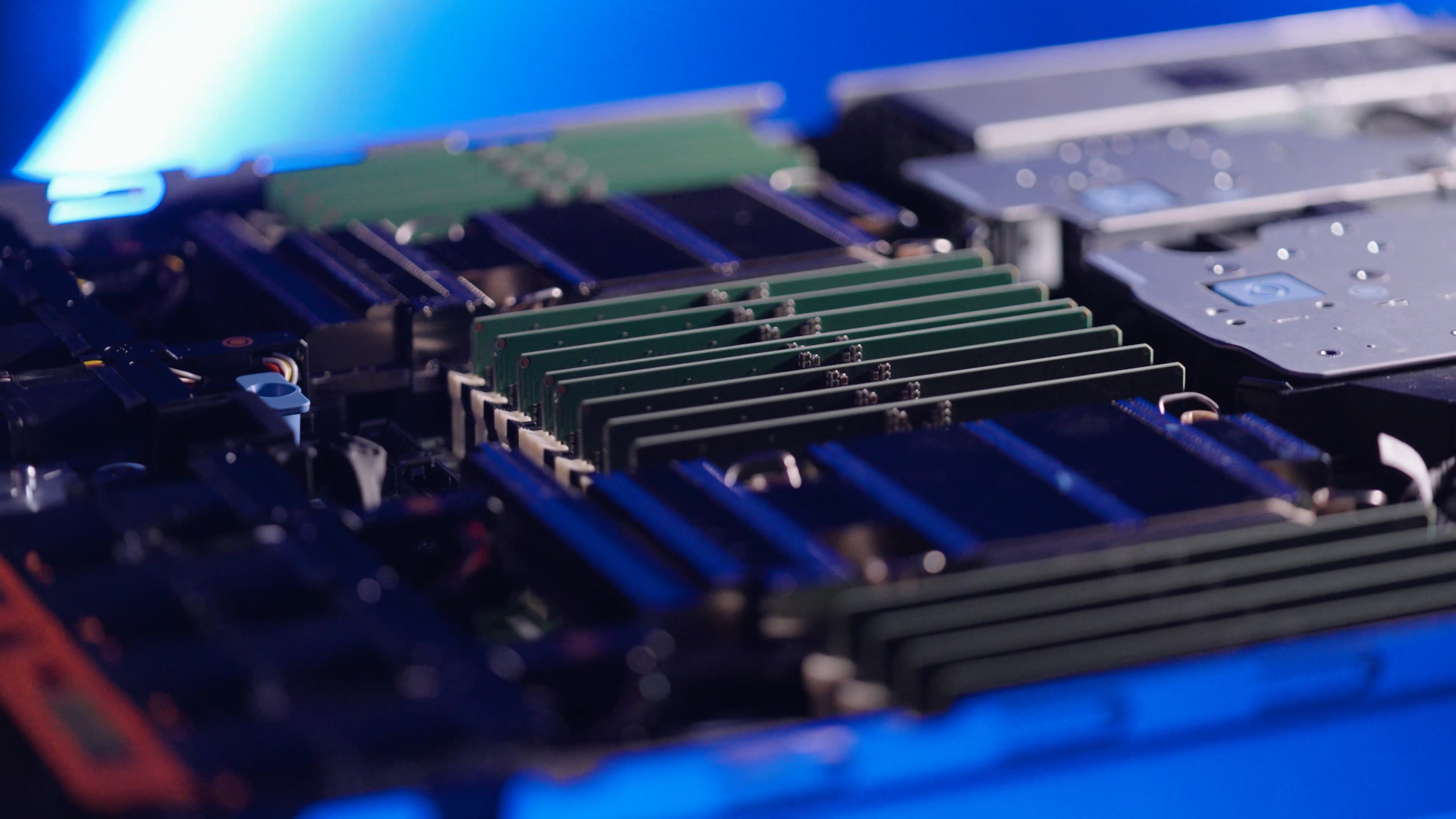
If customers were able to add their own hardware to our cloud infrastructure, not only would they be able to get access to all the features that come with an enterprise-grade hypervisor, but they would also be able to get the protection granted by High-Availability (HA) infrastructure without the required investment in additional hardware. So that’s what we did – we opened the doors to allow customers to contribute new or existing hardware to our cloud infrastructure!
This is similar to the growing trend of “cloud repatriation” wherein many organisations are choosing to move some workloads away from the public cloud infrastructure offered by the hyperscalers, towards more typical private cloud infrastructure. However, our model is different. The benefits of contributing the infrastructure to our mCloud platform is that you’re able to still maintain the scalability and enterprise-grade functionality of public cloud. You benefit from the cost savings from the hardware you contribute, but are able to scale above that as required by leasing and utilising additional resources from our cloud platform – the best of both worlds!
This is a model that we had offered to a select few in the past with our VMware model, with some customers able to purchase and contribute hardware to our cloud infrastructure – which allowed them to benefit from the cost savings associated with capital expenditure and long-time investments. However, it was with the launch of the mCloud platform that we chose to make this something that we would now offer to all. The aim of which was to help anyone else who found themselves in this position, of owning hardware they had previously thought they wouldn’t be able to utilise anymore moving forward.
Gain the protections of High Availability (HA) infrastructure without the required investment
One of the main advantages of this approach is the ability to gain High Availability failover for your virtual workloads. High Availability – also known as HA – refers to the practice of making systems more reliable by ensuring they’re online, even in the face of disruptions. Usually, HA systems implement this via redundancy – which is the practice of making sure you have duplicated copies of data and critical systems that can be automatically switched to when issues occur.
For those interested, we’ve gone into more detail about High Availability (HA) in this previous article: The Importance of High Availability for Mission Critical Workloads.
As you can imagine, implementing HA within your own infrastructure can be quite an expensive venture. It requires that you have multiple duplicate systems running in parallel, largely unutilised, just in-case you need to fail-over to them. In fact, any resilient HA cluster – the term for a group of servers combined together to provide HA functionality – will require at least three servers! If you only require a single server, then that's triple the investment - including into hardware that you might not ever directly use!
That’s another reason why our unique offering – that of being able to contribute hardware to our cloud – is such a great one. When you contribute a server to our cloud infrastructure, our own systems provide that redundant infrastructure that protects your systems, data, and keeps you online. You no longer need to invest even more into hardware to gain the protections against downtime that you’ve grown accustomed to.
For more information on our BYO offerings, you can check out our website here, or take a look at our video below:
Have any questions about our BYO offering or anything else mCloud?
If you would like to learn more about contributing your own hardware to our next generation mCloud platform, or alternatively have questions about mCloud more generally, let us know! We’re happy to have a chat about your situation and requirements and provide advice on the best steps forward.
You can reach us on 1300 769 972 (Option #1) or via email at sales@micron21.com.
